
PolyArts
Speech & Debate
WELCOME! The 2027-28 school year application is open through mid-November.
Speech and Debate builds lifelong skills that students will employ during their time at Poly, in college, and later in their professional lives. Poly Speech and Debate alumni have gone onto exciting careers in law and politics, arts and entertainment, and business and economics. Communicating effectively (and without the use of technology) will serve them in so many facets of life.
- Builds self-confidence and leadership skills, fosters team building and collaborative skills, and trains students to advocate for themselves and others
- Hones communication skills like articulation, vocal projection, posture, and presence
- Strengthens organizational skills like notetaking, argument construction, case building, and persuasive writing
- Boosts critical thinking by analyzing new articles and academic research, studying prose, poetry, and public speeches, and looking at important issues from different viewpoints
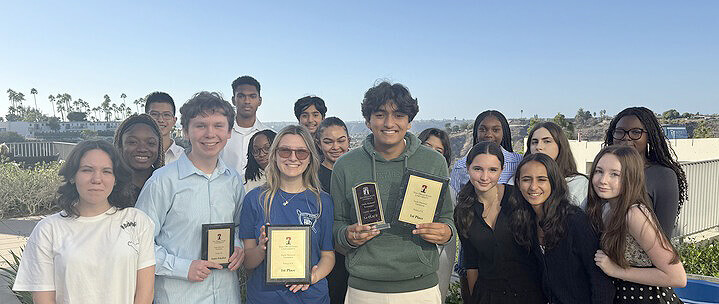
Speech & Debate Academic Component
Introductory Speech and Debate classes teach fundamentals and host in-class simulations. Advanced Speech and Debate classes, by contrast, are guided by individual student goals in their respective competition events, and provide an opportunity for varsity students to research and prepare for competition. Upper School Speech and Debate classes fulfill the arts and public speaking graduation requirement.
Competitions
Students compete in multiple events in both local and national tournaments. On the local level, Poly Prep participates in Brooklyn-Queens Catholic Forensic League (BQCFL) and the New York State Forensic League (NYSFL). On the national level, Poly participates in the National Speech & Debate Association (NSDA) and the Tournament of Champions (TOC).
The team travels to tournaments all over the country, including Harvard, Princeton, UPenn, Emory, and Yale. Interscholastic competition provides students the opportunity to see fellow competitors’ work and receive critical feedback from judges. Students earn NSDA points at tournaments and soon become members of the NSDA Honor Society.
Speech

Students on the Poly speech team prepare 10-minute memorized speeches and performances that they perfect over the course of the competition season. Speech offers a variety of events—from persuasive speeches to dramatic performances—and gives students a platform to showcase original work and selected material in support of their message. Students hone their acting skills, building characters through vocal expression, physicality, and blocking; and develop their persuasive speaking skills through vocal inflection, tone, and movement. From humor to drama, poetry to prose, and declamation to original oratory—speech amplifies storytelling, advocacy, and dynamic performance.
Speech Events
- Declamation: is an individual event where students perform an excerpt of a speech that has been delivered in public in an original and engaging manner.
- Dramatic Interpretation: is an individual event where students perform an excerpt from a play, novel, movie, or other published work with an emphasis on dramatic arc and character development.
- Duo Interpretation: is a partnered event where students perform an excerpt of a play, novel, movie, book or other published work with a focus on the characters’ dynamic and relationship.
- Original Oratory: is an individual event where students research, write, and deliver an original speech on a topic of their choosing with the goal to inform or persuade on a significant issue.
- Program Oral Interpretation: is an individual event where students combine multiple genres of literature centered around a single theme or argument.
- Prose/Poetry: is an individual event where students perform a selection of poetry or prose with a focus on storytelling and narration.
Debate

Participation on the Poly debate team offers students the opportunity to hone their personal advocacy skills, challenge themselves by being introduced to new ideas and arguments, and engage with a dynamic and diverse community. Students research topics and craft arguments for participation at competitions. The main goal is for students to develop their critical-thinking skills and to become more equipped and confident in defending what they value and believe in.
Debate Events
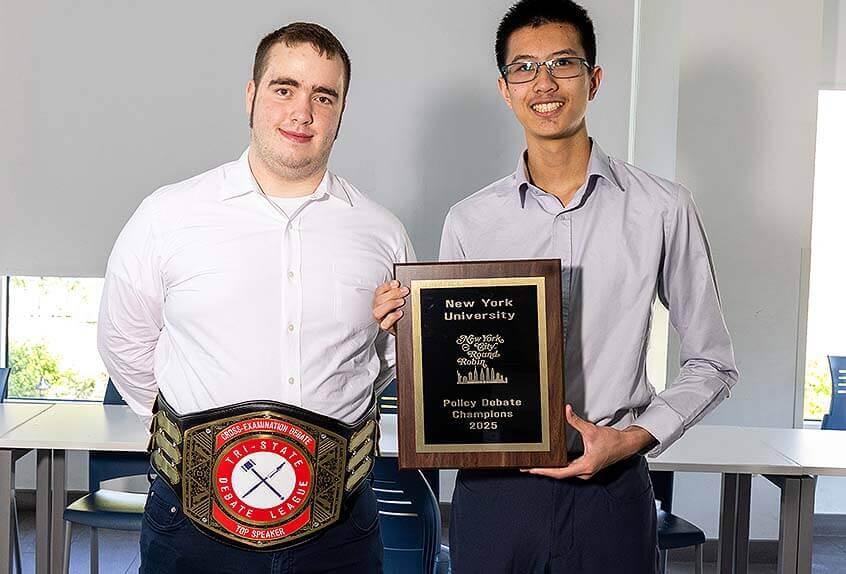
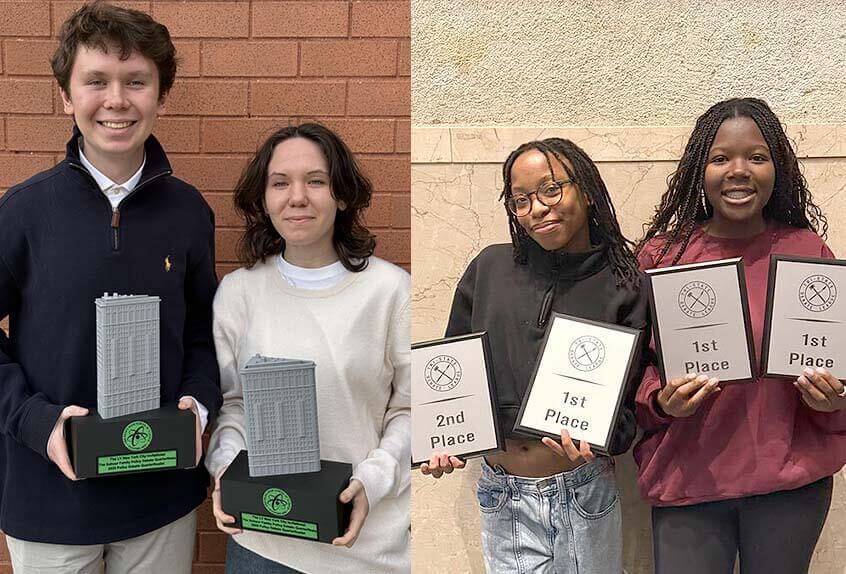
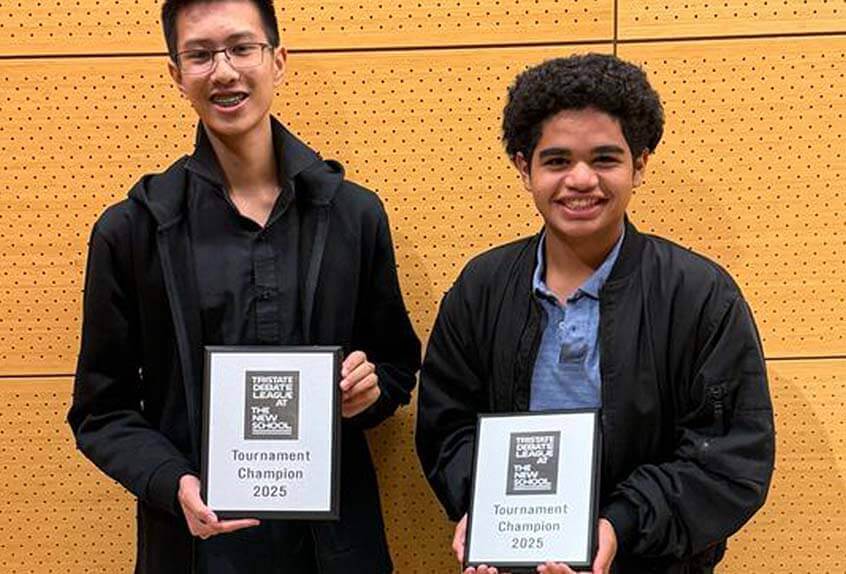
- Policy Debate: Cross-Examination) is a two-on-two format built around a single national resolution that lasts the whole season. Teams research both sides in depth and argue Affirmative and Negative in alternating rounds. The event rewards evidence, sustained preparation and the ability to think on your feet under cross-examination.
- Congressional Debate: A legislative simulation where students research a docket of bills, then debate, amend and vote on them in a mock chamber under parliamentary procedure. It suits students who like breadth over depth: many topics, short prepared speeches, and a premium on persuasion and floor strategy.
History of Speech & Debate Success
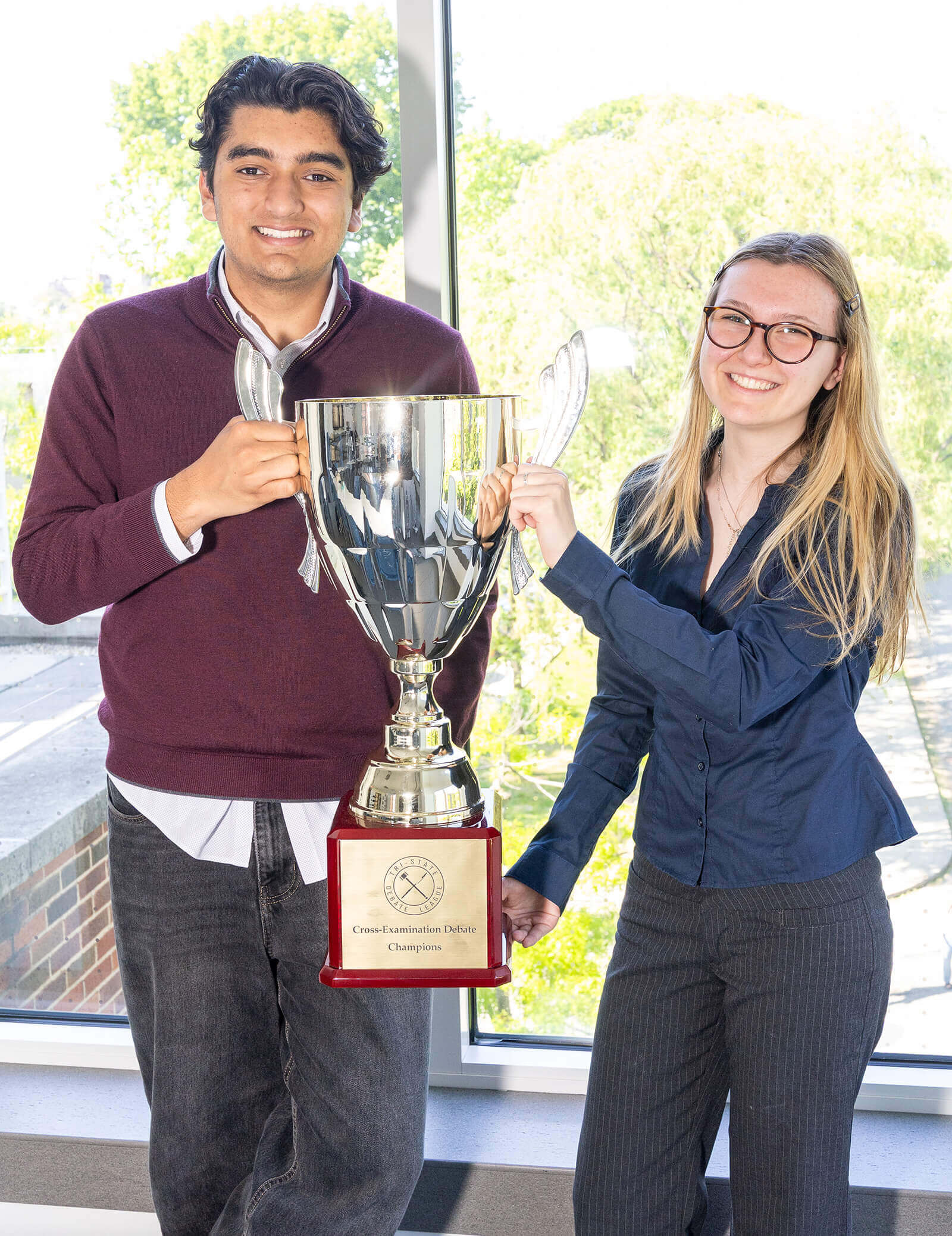
- The Poly Prep Debate and Public Speaking Club was established in 1958. The program was reinvigorated in 2012 as Poly Prep Speech & Debate.
- Poly Prep won the 2026 NCFL Grand National Championship and, in the same season, qualified its first team in school history to the Tournament of Champions.
Meet Our Speech & Debate Faculty
 Contact