News
10/23/2026
Farm to Oval: Urban Farming Hits Homecoming
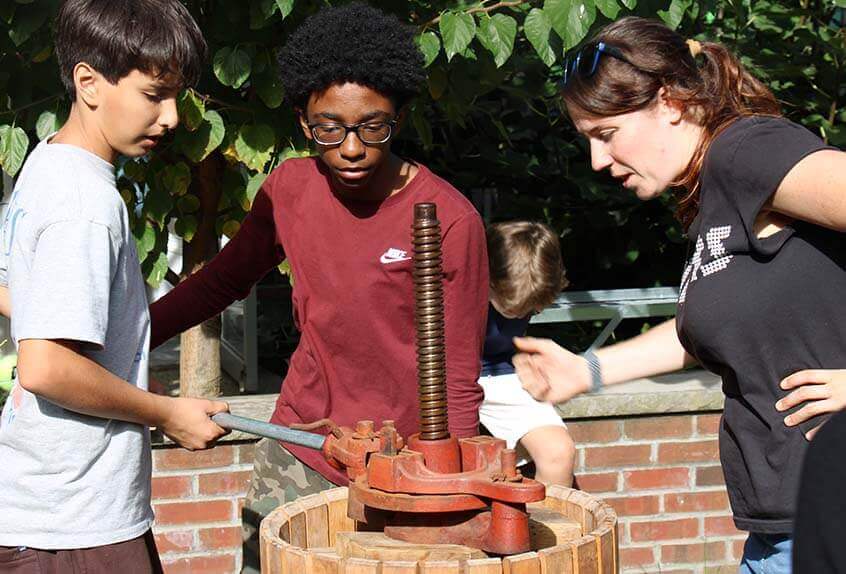
A new table was the talk of the Oval at Homecoming this fall: Erin White’s Urban Farming class table. Some of the wares that Erin had available for sampling included mulled pear cider, peach habanero hot sauce, crab apple jelly, maple syrup, and more. The part that had people buzzing, though? With the exception of the mangoes in one of the habanero sauces, all of it came from the Poly Prep campus.
“There’s so much produce on this campus, and I’m working on having there be more,” said Erin.
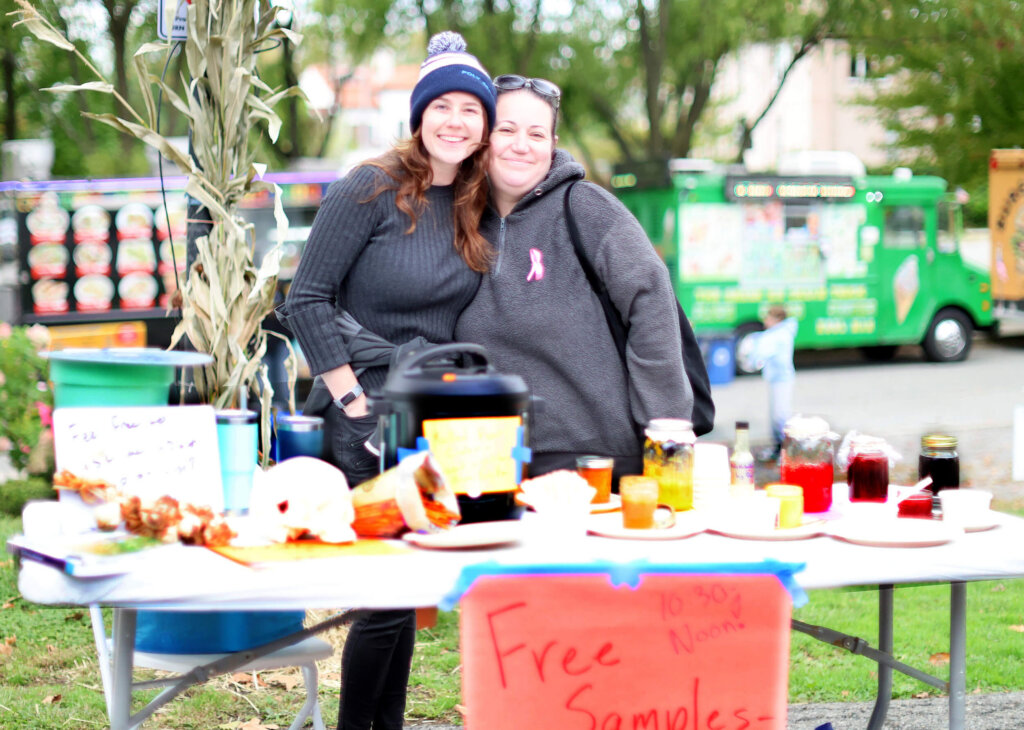
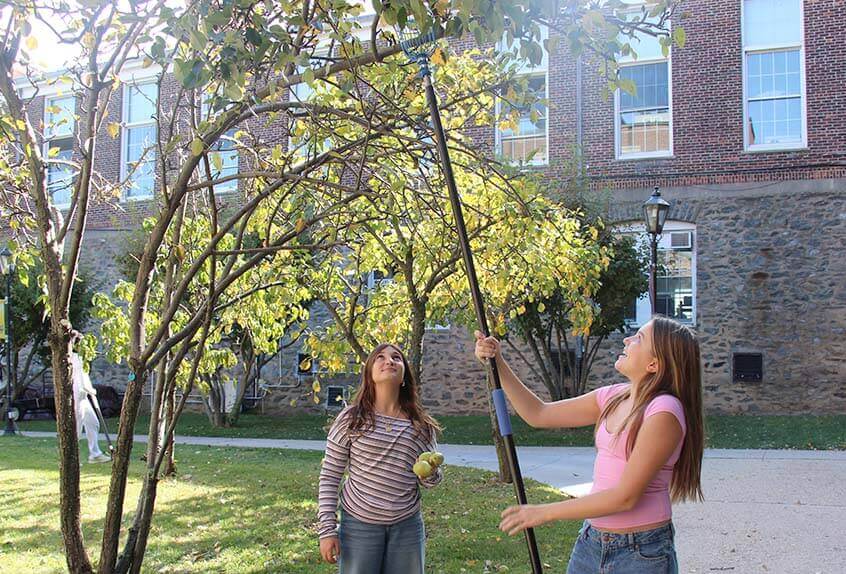
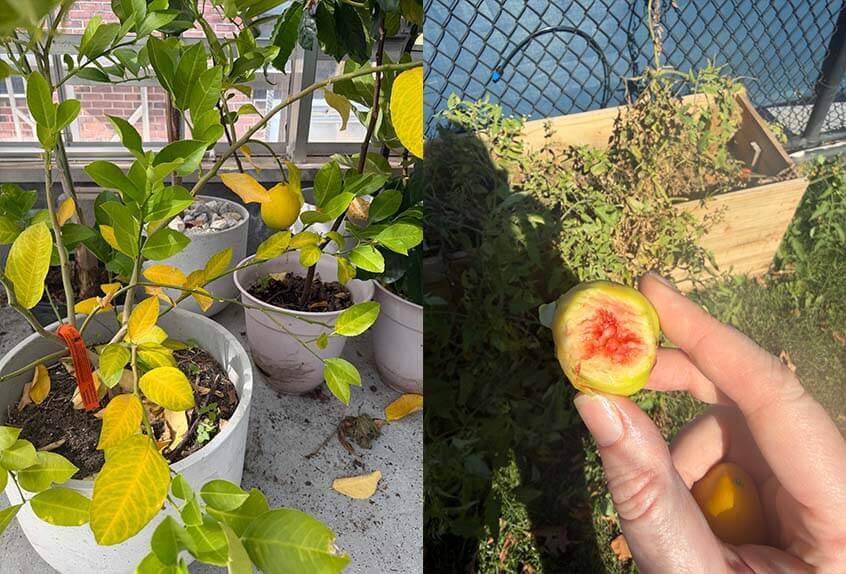
How much produce is there? Well. There are three peach trees, two pear trees, multiple crab apple trees, a couple of lemon trees in the greenhouse, a coffee plant, a fig tree, and 11 or 12 other trees on campus that can be tapped to make syrup. In the raised beds, her middle school students have grown peppers, blueberries, strawberries, watermelon, broccoli, potatoes, garlic, eggplant, herbs, and so much more.
Weather, Harvests, and a Changing Syllabus
And all of it is a part of class. What that class looks like from year to year, even semester to semester, might change at any time.
“The class does not have a consistent syllabus in the way that another class might, because so much of it is weather- and harvest-dependent,” said Erin. “Syrup depends on thermal cycles, because you need a freeze-thaw cycle repeated a lot of times to do it. The cider, we can only make if we have a good pear year. So really, it just depends on what we have been able to make or grow.”
Pitching, Planting, and Building
What the class grows is based entirely on what the class wants to grow.
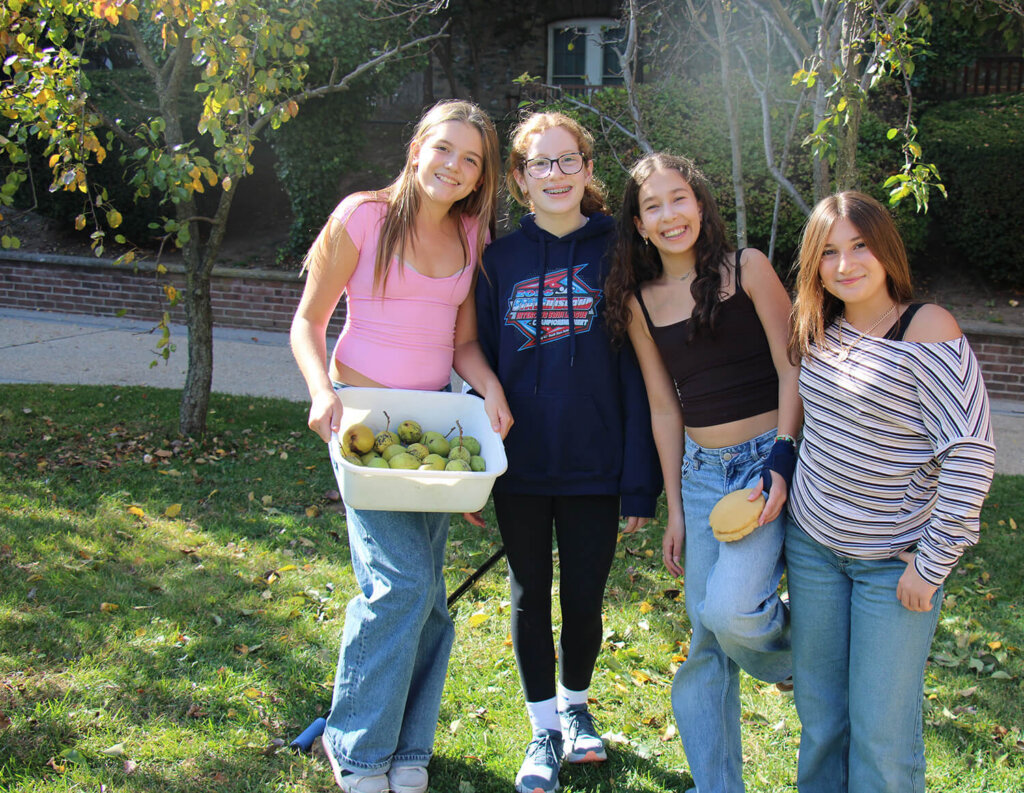
The new blueberry bushes were a part of a multi-class running project. The students wrote proposals about what kinds of bushes would actually produce fruit while they were still in class, as well as what species would be best to grow on campus. Erin and the students did a campus walk to identify the best locations for them, based on what they needed. And the strawberries? Same process. The students even built the planters.
“Students come up with a list of what they might grow, and then they have to try to sell the other kids on it,” said Erin. “They choose the plants from a catalog of plants, they choose the seeds, we plant the seeds and go over what you need to do to nurture the plant. They clean out the gardens, they put the plants into the gardens, and then they raise them. Students do it all. And then the group that has the class in the fall harvests and prepares.”
Fall Class, Spring Class
The cyclical nature of farming and gardening is a challenge for a class that’s only one semester.
“They can really only do part of it, and then the other class takes over,” said Erin. “Gardening happens over the course of the year, but because they cannot take the course for the whole year, it’s like an A and a B. Some of the plants are more wheel-of-the-year style, and take more time. Like garlic, for example. You plant garlic in the fall, but you harvest it in the summer. So the kids who have the spring class are mostly caretakers. It’s one of the only things they don’t plant. And the kids who are in the class in the fall do a lot more harvesting.”
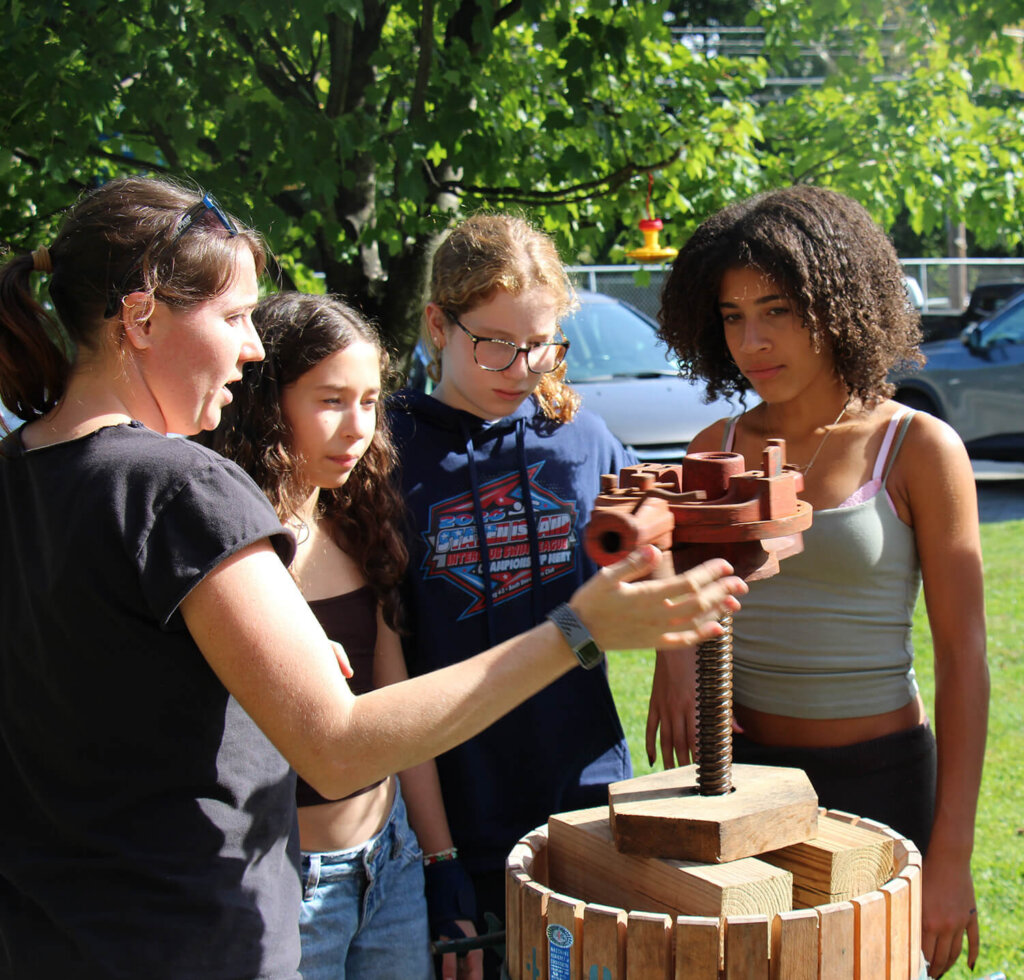
While the cycles of the class may be different, one thing remains the same: they’re all going to learn a lot about their food.
“We do a bunch of research projects on where our food comes from,” Erin said. “We all pick a type of produce that we actually eat, and we research where it comes from originally and where it is most grown. So a kid will research dragonfruit, and realize that there is no such thing as dragonfruit season in New York. A kid will research avocados, and realize where we get most of our avocados, that there is no avocado season here. They will learn that some of these things are not actually naturally occurring, and how there’s no such thing as something like a nectarine without science or cross-breeding.”
Lessons Beyond the Garden
The students also learn about budgeting with their spring plant sale, since finances are an important part of the agriculture business. Last year’s sale was the source of the funds that bought the lemon trees which produced 10 lemons this summer and fall.
They also learn about food preservation methods, trying as many of them as they can based on availability and safety. They make vinegar, they grow herbs and dry them, and they learn hot canning with tomato sauce, because it boils at a safer temperature than jam. For processes that are too dangerous for the students, like the jam served at homecoming, Erin finishes the process on her own.
Aspirations for a Small Program
Will you see Poly Prep jam on grocery store shelves someday in the future? Almost certainly not. That doesn’t mean Erin has no ambitions: there are still some lofty goals for the program, including using more of the existing infrastructure of the school and its expansive campus, as well as growing the number of students who enroll in the class.
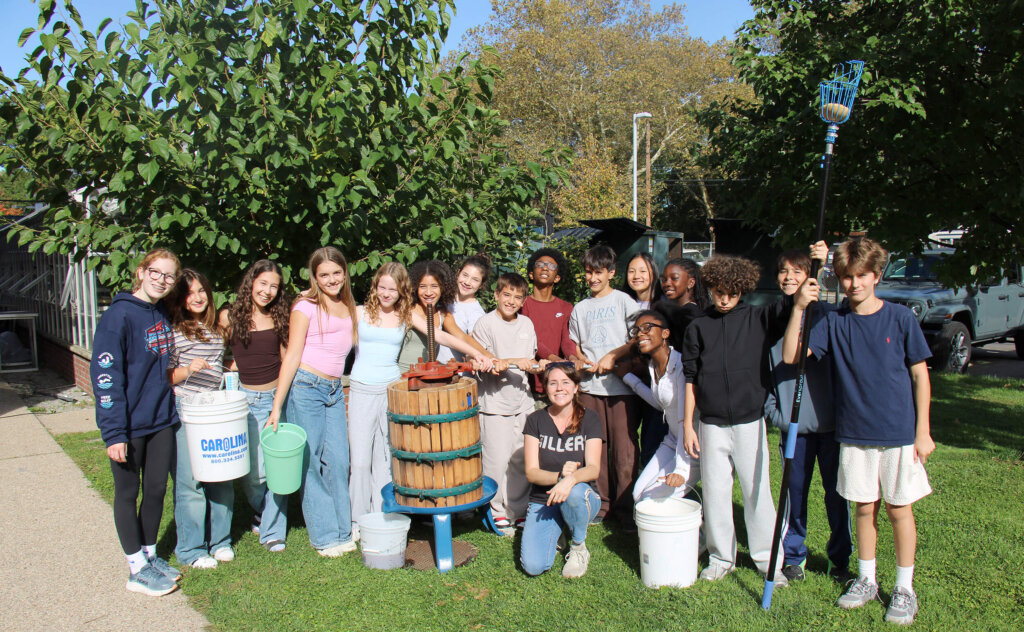
“Hopefully someday, it’ll be my whole job,” said Erin. “I love middle school science. But I also love teaching students about where their food comes from, and what they can do with it. I also love outdoor education and think it is especially important for kids to have time outside, and understand stewardship and knowledge of their locale. This class is a really powerful way to build that. A kid who doesn’t like vegetables will be like, ‘I made that tomato.’ And then they care, and it’s important.”
Erin also sees deeper lessons underlying everything her classes do.
“Beyond learning about fermentation, germination, etc., it also teaches real lessons about autonomy and responsibility. It’s fun, we make cool stuff, and I occasionally make them do a write-up of ‘what did you learn about cider?’ But it also has the sleeper curriculum of: you have to work together, you have to accomplish this task, and you have to do it in a way that does not waste anyone’s time, because if you don’t, we can’t move forward. I think it really helps build community and ownership.”