News
09/19/2025
Learning in the Off-Season: Middle School
Lifelong learning is part of Poly’s DNA. This summer, Poly’s Middle School educators embarked on transformative journeys of professional growth, each fueled by curiosity and a commitment to bringing fresh insight back to their classrooms. Their diverse work included diving into the evolving world of Artificial Intelligence (AI), digging into sustainable practices in the soil of permaculture farms, traveling to England’s Oxford University to hone media literacy skills, and exploring new perspectives into the voices of African-American literature, among others.
No matter where their summer learning takes them or the topics explored, one thing is universal: Poly’s faculty always return to campus in the fall energized—bringing fresh insights and creative approaches that make learning come alive for students.

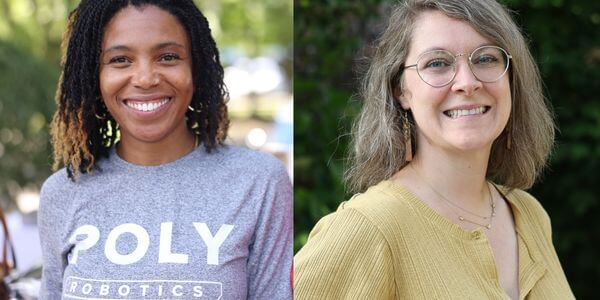
Studying Artificial Intelligence (AI) was the summer professional development focus for Poly educators Kristin Guynn, who teaches Computer and Information Science and directs Robotics, and Juliet Moretti, Head of Student Support, Health, and Wellness. Guynn plans to bring her learning into her Middle School classes, guiding students to both understand AI and critically examine its impact on society, education, and daily life. Moretti gained insights into tech solutions that could be translated into classrooms and other school spaces, while also considering risks. Her summer work illuminated the need for focusing on students’ best interest and emphasizing, “…ethics and flexibility, as this is a very novel problem that will require creative, nimble, thoughtful, continual, and human reflection.”
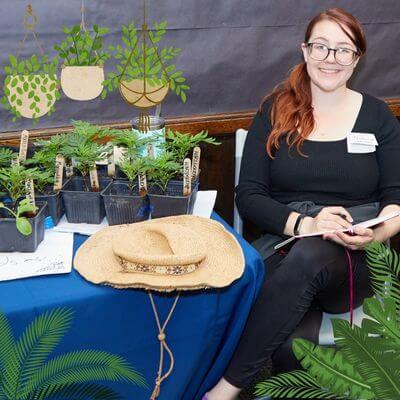
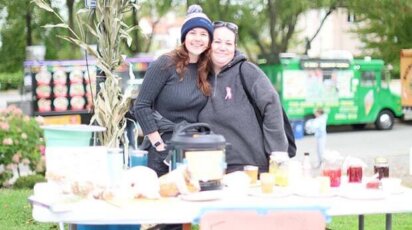
Summer is the season of abundant growth. For Middle School science teacher Erin White, sustainability and the environment took root. She explored related practices by touring an oyster farm and spent time at an organic berry farm in the Berkshires that uses coffee-grounds composting. She also visited several botanical gardens with robust herb and vegetable programs, along with a native plant nursery. These experiences will inform improvements to Poly’s composting system, enhance the popular Billion Oyster Project curriculum with deeper insight into shellfish farming, and guide updates to the school’s unique garden landscapes. “I learned a lot about how we can improve our gardens at Poly to better support soil health and productive plant growth. I’m looking forward to working with our students to apply what I learned to both the raised beds and the Lenape garden!

Middle School Learning Specialist James Megahan traveled across the pond to Oxford University for a week-long Media Literacy study group. They explored how Generations Z and Alpha engage with news and the challenges of navigating today’s digital media landscape. Megahan described how insights from the study group will shape the Grade 8 Stories and Systems class, guiding students on how to evaluate media for trustworthiness and value. “It was such a pleasure to build lasting connections with fellow educators who are passionate about helping students develop their literacy skills in a rapidly-changing media landscape,” he said, “and I look forward to sharing and applying our collective learning at Poly!
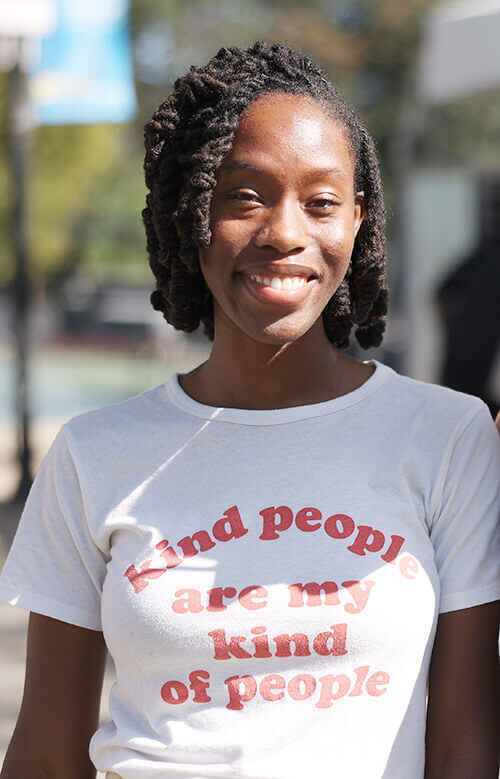
English faculty member Arnelle Williams worked to reimagine an African-American Literature elective that honors the tradition while making it relevant today. She studied authors including Nella Larsen, James Baldwin, Alice Childress, Zora Neale Hurston, W.E.B. Du Bois, and Langston Hughes, alongside contemporary voices such as Instagram poet Yrsa Daley Ward. Williams reflected on her studies, “What I found is that every artist makes an attempt to beautify the world around them with style, intellect, purpose, and endurance. The lines between narrative and nonfiction in these works are often blurred, but always with intention. Would their stories be believed otherwise if it wasn’t labeled literature? In short, my hope is that students learn why the diverse perspectives in African-American literature are both singular and universal.”